Author: admin

  • Language memorization

    Language learning through memorization

    One of the many ways to learn a new language is to memorize phrases as well as have a full grasp of the meaning behind the words.  There are language learning apps that allow you to have flashcard-like tools to memorize words.  This is a good starting point for any language learning, but it shouldn’t be the only tool you use if you want your child to have a permanent memory of the language they are learning.

    When you learn a new language, your brain is processing it and it gets saved into your short term memory.  As you begin to repeat the phrase and continue to use the phrase, you will improve how you use it, and you will memorize other words that often go along with it.  This creates sentences by analogy, based on the phrases and sentences you’ve heard, stored and potentially memorized indirectly. This is often called comprehensible input. There are several methods that focus on giving students compelling comprehensible input, such as ALG, TPR, TPRS and story listening. 

    Trying to memorize a new language helps your memory

    When you try to learn something new, you are building a skill in itself: memorization.  This could have a long term impact on your ability to memorize other things, skills and studies have shown that learning new things at any age could aid in deferring illnesses such as alzheimers disease.

    Pre-learning before your child enters an immersion school

    Before your child begins attending an immersion school there are a few things you can do to help them prepare. Pre-learning is essential for your child before they enter an immersion school. It is recommended that you start teaching them the basics of the language before they start their schooling, including memorizing some common phrases. This will help them to be more prepared for the challenges that they will face during their schooling. Additionally it is important to make sure that your child is exposed to as much of the language as possible. This can be done by reading books watching movies and listening to music in the target language.

    Reinforcing a new language at home

    One of the best ways to reinforce a new language at home is to create a language-rich environment. This can be done by labeling objects around the house in the new language reading books together in the new language and watching movies or TV shows in the new language. It is also important to provide opportunities for conversation by talking about daily routines telling stories and discussing current events. By providing plenty of exposure to the new language and encouraging communication in it families can create a supportive environment for learning. Even if you are not fluent in the language your child is learning, take the time to learn and memorize them together, and use the new language as often as possible in everyday life.

    Memorization is a process of encoding and storing information in memory. It is a building block for future success because it helps children learn new information and retrieve previously learned information. When children are able to retrieve information from memory they can apply it to new situations which helps them learn and problem-solve more effectively.

  • Making language learning fun for kids

    Children can benefit from playtime. Games offer a fun-filled, relaxed environment where they can practise using new words and are free to express themselves. Participating in recreational activities is an effective way to develop language learning skills. Games offer your son or daughter a fun and carefree environment where they can discover and practice using new linguistic phrases and be free to express themselves. Participating in recreational pursuits can help to build your youngster’s communication skills and might change the way they socialize with others.

    Examples games and playtime activities

    Here are some example games you can play with your kids that infuse language learning with fun:

    Word games.

    Encourage your children to learn new words through word games. They can point at objects of interest at home as well as during road trips, such as I am ascribing the flour to the basin now or a building is a high-rise. You may also give definitions or share information relating the origins of these words. Games like Scrabble, Pictionary, or a round of Charades also encourage vocabulary development and communication skills. 

    Jokes.

    Saying age-appropriate puns is one way to stimulate good humor and imagination in kids. When this is encouraged, word play and overall imagination also increase. Read age-appropriate joke books and take turns telling witty stories. Avoid getting too critical of the kids’ gags, speech, or articulation. Instead, model proper pronunciation or grammar by repeating the statement back to them correctly.

    Riddles.

    Riddles are fun ways to use words and create vivid depictions of events or situations. Engage in interactive speech concerning riddles, teach your child to give multiple definitions of a single word. e.g. school as a place for studying or a school as a group of fish to help them understand the riddle more deeply.

    Rhymes.

    The repetitive chant, narration, writing, or hearing of rhymes helps improve auditory memory, speech, and listening skills, while also encouraging speech. You can also record your daily routine using rhyming words, and let your children describe the things they like with rhyming words.

    Homonyms.

    Teach your kids to realize identical-sounding words that mean completely different things. Letting them come up with the more unique curated versions. This may function as an excellent marker of how well they have penetrated their vocabulary.

    Storytelling.

    Create stories for them to tell about their day-to-day lives. Expand the scope of their imagination with fantastical stories and help their creativity develop as you compose stories about everything around them.

    Songs.

    There are songs that are entertaining as well as helpful for instructing kids new words. The rhythmic rhymes of songs can assist kids learn to follow along and have fun. You may also sing a song while playing a game with your child that will be played and enjoyed by all.

    Tongue twisters.

    Children enjoy tongue twisters, which are a great way to teach proper pronunciation and enunciation of words. It is a great way to exercise their tongues to understand words. Try simple ones and work your way up to more complex ones.

    Integrate learning into everyday activities

    Words can be made up into stories, musicals, and a lot of other different approaches to help your children become more articulate. Push on your young children to talk well by constructing a healthy and fun environment in which they can unleash their creativity and expand their linguistic abilities. Guide them on how to express their thoughts, feelings and actions better through the use of words as this will prepare them to face the world with confidence as they grow.

    Check out this great game here: Educational Word Games

  • Learn a new language through play

    Language development through play

    It can be challenging for small children to have the attention span to formally learn a new language. One technique that may be worth exploring is to try to learn a new language through play. With your help, children can learn new and valuable skills through play activities and general social interaction.

    Every child has a different way of learning

    If your child is interested in what he/she is doing, they will be more engaged in that activity. Because of this, take note of and follow their lead. Pay attention to where their interest in an activity occurs and position activities that are designed to engage them. The more engaged your child is in an activity, the more likely they will take to a second language.

    Learn a new language through singing

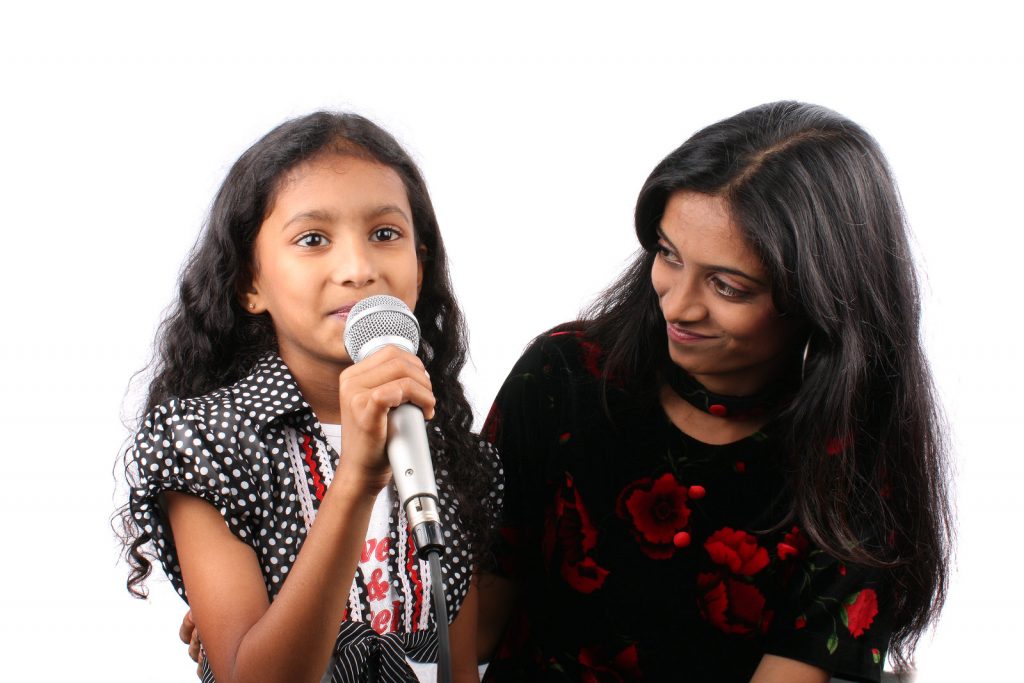
    Singing music is an enjoyable and healthy way to enhance linguistic, listening and physical abilities. Singing can also help a young child learn to communicate concepts. You can incorporate language-learning exercises with singing things like the normal children’s songs for their age or by using a tune in the daily actions you and your child are doing.

    – Your child can memorize a song in a new language.

    Whether it be a new melody native to the new language or a melody they already know and enjoy, it can be fun to sing and dance to a new song

    When your child learns a new song, dissect the song and learn the meaning behind it. Whether you want to learn just the main words or the history of the song, keep your child curious and thirty for learning new things

    – Share the song with others.

    Once your child has learned their new songs, have them show off their new learning ability to friends and family. They may even want to teach the new song to someone else.

    Keep the first song they learn simple and short, so that they can quickly learn it. Once they’ve enjoyed their new ability, they will be encouraged to learn more difficult and longer songs in the new language.

    Read a book in a different language

    Reading helps open the world to learning and improve your communication skills, language and memory.

    By exposing your kids to a variety of books, you can find out which appeal to them more and guide you in acquiring books that hold their interest. You can begin with simple books, perhaps books containing short text and images. Progress toward more difficult activities as your children’s reading skills improve.

    Flashcards

    One of the best ways to familiarize you child with a new language is by utilizing real-world objects that will keep their attention. Unfortunately, life isn’t always consistent or conducive to this activity, which is why adding flashcards as a learning tool is crucial.

    In introducing each flashcard, it is important to present your child with the picture together with the right pronunciation for the sound. Once your son or daughter has created the association between the picture and voice, showing written text for the word will be the next step to take. The brain forms a connection between the image, pronunciation, and word. This connection is stored in long-term memory.

    Rather than going through each flashcard one-by-one, reinforce the new word in other areas. For example, if you’re singing a song in English, you may want to swap that “animal” flashcard word with the newly translated word, or better yet, make a song out of the new words altogether and repeat, repeat, repeat.

    Pausing to engage interaction

    Try building a turn-taking routine to help give your child a opportunity to ponder and respond. You can also try fun activities where everyone has equal downtime between turns. It’s important to be patient, as all children have different ways of processing information. Turn-taking is an important skill that plays a key role in social development, so it’s good to pass it to your kids from an early age. This will mainly improve the way they correlate and express themselves as part of their personality.

    Rinse and Repeat

    Children need opportunities to learn various skills. It might seem like tedious or unproductive to parents to replay the exact same activity, but for children, taking part in the exact same activity repeatedly will let them build abilities and refine proficiency. It is crucial to encourage repeating actions, words, and preferences, especially those they engage with. Repeatedly singing the same songs, for example, is also beneficial for memorizing new information, teaching new skills, and structuring speech.

    As long as your child is happy and engaged, learning a new language will be fun and a long-term project for the whole family.